HDB Loan vs Bank Loan in Singapore: Which Is Better for Your Home Purchase?

Yannie Woon 10 November 2025
Key Takeaways
- HDB loans in Singapore offer a fixed 2.6% interest rate pegged to the CPF OA rate, ensuring long-term payment stability for homeowners.
- Bank home loans feature lower initial rates between 3% and 4.5% p.a., but rates fluctuate with SORA, affecting monthly repayments over time.
- HDB loans allow up to 80% financing with a 10% CPF-only downpayment, while bank loans cover up to 75% and require at least 5% in cash.
- Borrowers can refinance an HDB loan to a bank loan for potential savings but cannot revert to an HDB loan afterward.
- Bank loans provide greater flexibility through refinancing and varied packages but impose stricter income and credit score criteria under MAS’s TDSR rules.
- HDB loans suit buyers prioritising stability and low cash outlay, while bank loans benefit those comfortable with market fluctuations and refinancing opportunities.
- Both loan types allow CPF usage for downpayments and instalments, subject to CPF withdrawal limits and regulatory caps.
- Before borrowing, compare current HDB and bank loan rates using licensed platforms to ensure the best fit for your home financing goals.
Buying a home is easily one of the biggest financial commitments in Singapore. Whether you’re a first-time buyer eyeing a Build-To-Order (BTO) flat or upgrading to an Executive Condominium (EC), the type of housing loan you choose can dramatically affect your long-term financial comfort.
Most homebuyers face a familiar crossroads: Should you take an HDB Concessionary Loan or a bank home loan?
While both serve the same purpose, helping you finance your property, the details make all the difference. From interest rates and downpayment requirements to flexibility and eligibility, understanding how these two options stack up can save you tens of thousands of dollars over time.
This guide breaks down everything you need to know about HDB loans vs bank loans in 2025, so you can make the best decision for your financial future.
Table of Contents
Overview of Home Financing in Singapore
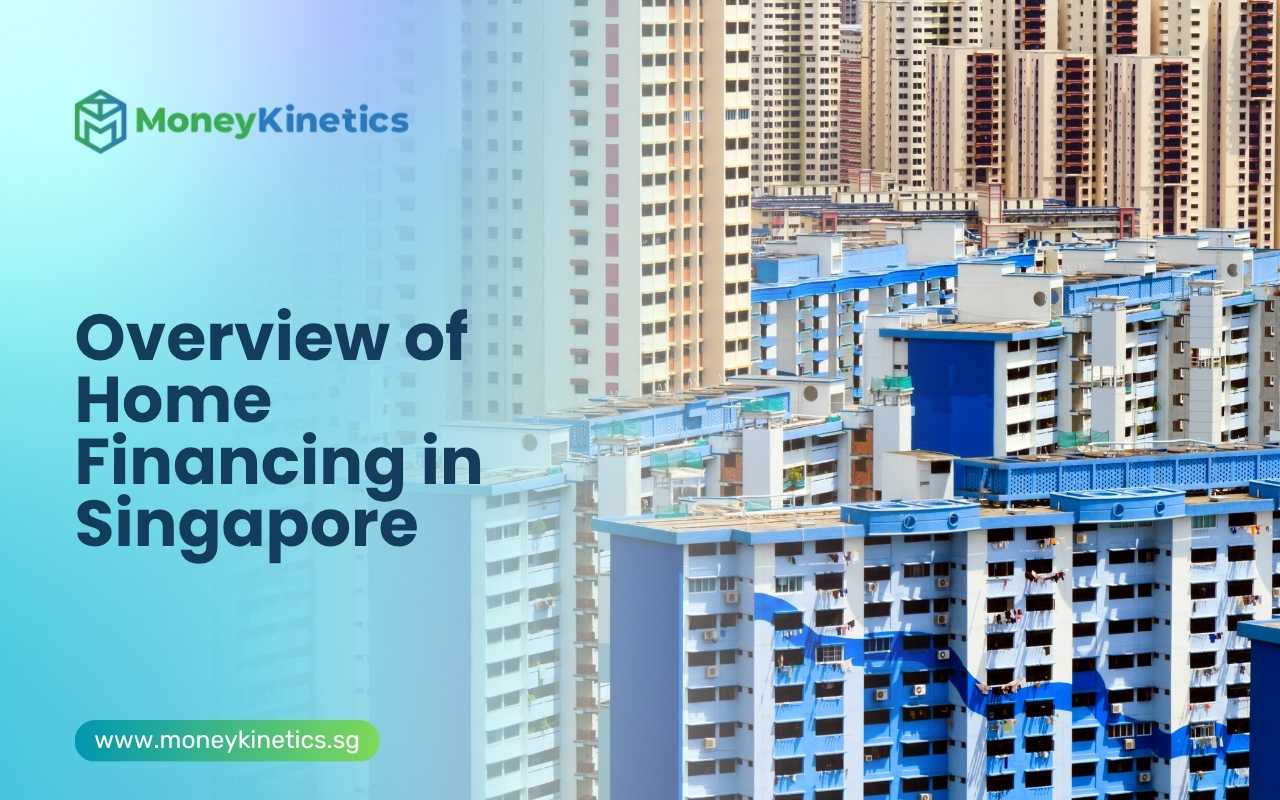
In Singapore, there are two main ways to finance a home:
- HDB Loans, provided directly by the Housing & Development Board (HDB)
- Bank Loans, offered by financial institutions regulated by the Monetary Authority of Singapore (MAS)
Both options come with specific eligibility requirements, limits, and repayment structures. Your decision will hinge on a few key considerations:
- Loan-to-Value (LTV) limit
- Interest rate type (fixed or floating)
- Downpayment source (cash vs CPF)
- Refinancing and early repayment flexibility
- CPF usage and withdrawal limits
- Eligibility criteria, such as citizenship, income ceiling, and existing property ownership
Let’s dive into what sets these two apart.
What Is an HDB Loan?
An HDB Concessionary Loan is designed to help Singaporeans purchase public housing more affordably.


Explore Your Personal Loan Options Now
-

Fast, Easy Application Process
-
Secure Match with Trusted Lenders
-
No Hidden Fees, Full Transparency
-
Dedicated Customer Support
Provider
Housing & Development Board (HDB)
Interest Rate
Fixed at 0.1% above the CPF Ordinary Account (OA) interest rate, which means it’s currently 2.6% per annum (p.a.) as of 2025.
This rate has remained unchanged for over two decades, providing a strong sense of stability for borrowers.
Eligibility Criteria
To qualify:
- At least one applicant must be a Singapore Citizen
- The monthly household income must not exceed S$14,000 (families) or S$7,000 (singles)
- Applicants must not own or have disposed of any private residential property (locally or overseas) within 30 months before the loan application
Downpayment Requirement
You’ll need to make a minimum 10% downpayment, which can be fully paid using your CPF OA savings.
Advantages of HDB Loans
- Stable, predictable interest rate (no surprises from market fluctuations)
- Higher LTV limit, up to 80% of the flat’s purchase price or valuation, whichever is lower
- Flexible repayment using CPF
- Easier eligibility compared to banks
Disadvantages of HDB Loans
- Fixed interest rate means you may miss out on potential savings if market rates drop
- Refinancing is limited, you can only refinance to a bank loan, not another HDB loan
- You’ll need to pay off the loan before buying private property
For conservative borrowers who value stability, the HDB loan remains a steady and reliable option.
What Is a Bank Home Loan?
A bank home loan is provided by commercial banks or financial institutions regulated by MAS. These loans can be used to finance both HDB and private properties.
Interest Rate
Typically lower initially than HDB loans, but it varies depending on the type:
- Fixed-rate packages: Offer a fixed rate (e.g. 3.5% p.a.) for the first few years
- Floating-rate packages: Pegged to the Singapore Overnight Rate Average (SORA) and can fluctuate with market conditions
In 2025, most bank home loan packages range between 3% and 4.5% p.a., depending on the lender and loan tenure.
LTV Limit
Up to 75% of the purchase price or valuation, whichever is lower.
Downpayment Requirement
Minimum 25%, comprising:
- 5% in cash, and
- 20% using CPF OA savings or cash
Advantages of Bank Loans
- Potentially lower interest rates (especially if market rates fall)
- Variety of packages to suit different financial needs
- Flexible refinancing options to lock in better deals over time
Disadvantages of Bank Loans
- Variable rates mean monthly instalments can increase with rising SORA
- Stricter eligibility criteria, including income stability, credit score, and compliance with MAS’s Total Debt Servicing Ratio (TDSR) of 55%
- Early repayment penalties may apply, typically around 1.5% of the outstanding loan
For homeowners who are financially disciplined and comfortable managing some market risk, bank loans can offer better long-term savings.
Key Differences Between HDB and Bank Loans
| Feature | HDB Loan | Bank Loan |
|---|---|---|
| Interest Rate | 2.6% (fixed, pegged to CPF OA rate) | 3%–4.5% (fixed or floating) |
| LTV Limit | Up to 80% | Up to 75% |
| Minimum Downpayment | 10% (CPF only) | 25% (5% cash + 20% CPF/cash) |
| Refinancing | Only to bank loan | Flexible refinancing options |
| Early Repayment | No penalty | Penalty (usually 1.5%) |
| Eligibility | Must meet HDB criteria | Based on credit score, income & TDSR |
| CPF Usage | Allowed | Allowed, within CPF withdrawal limits |
💡 Pro Tip: The difference in downpayment can be significant. For a $500,000 flat, an HDB loan requires only $50,000 upfront (CPF), while a bank loan needs at least $25,000 in cash and another $100,000 from CPF/cash. That’s a deal-breaker for many young buyers who have limited cash on hand.
Money Kinetics: Compare Personal Loan Rates and Find the Best Deals
If you’re exploring financing options, whether it’s for a home, renovation, or personal cash flow, consider using Money Kinetics.
Money Kinetics is a trusted loan comparison platform in Singapore that helps users:
- Compare personal loan offers from multiple banks and licensed lenders
- Check eligibility instantly without affecting your credit score
- Find the lowest rates tailored to your income and borrowing needs
Instead of visiting each lender one by one, you can discover the most competitive loan options in minutes. If you’re looking for flexible, transparent, and affordable loan choices, start your comparison on Money Kinetics today.
Factors to Consider When Choosing Between an HDB Loan or Bank Loan

Risk Appetite
If you value stability and predictability, the HDB loan’s fixed rate is ideal. If you’re comfortable with some risk and want to take advantage of market dips, a bank loan might offer better long-term savings.
Downpayment Capacity
Cash flow plays a huge role here. If your CPF savings are strong but cash reserves are limited, the HDB loan’s all-CPF downpayment is a clear advantage.
Flexibility and Refinancing
Bank loans allow borrowers to refinance when market conditions change, a valuable feature for those seeking the lowest possible rate.
Future Plans
If you plan to sell or upgrade in a few years, the flexibility of bank loans may work better. HDB loans are better suited for long-term stays.
Common Misconceptions and FAQs
Can I switch from an HDB loan to a bank loan later?
Yes, you can refinance an HDB loan to a bank loan, but not the other way around.
Are bank loans riskier?
Yes. Bank loans are tied to fluctuating interest benchmarks like SORA, so rates can go up or down. Always assess your repayment ability based on higher-rate scenarios to stay within MAS’s 55% TDSR cap.
Can I use CPF for both loan types?
Yes. CPF OA funds can be used for both downpayment and monthly instalments, subject to CPF withdrawal limits.
Regulatory Compliance and Borrowing Advice
Both HDB and bank loans fall under MAS’s TDSR framework, which caps total monthly debt obligations (including car loans, credit cards, and other debt) at 55% of gross monthly income.
If you’re considering alternative financing or top-up loans from licensed moneylenders, note that they are regulated by the Ministry of Law (MinLaw) and must comply with strict caps:
- Maximum interest rate: 4% per month
- Administrative fee: up to 10% of the principal
- Late payment fee: up to $60 per month
- Total charges (including interest and fees) cannot exceed the principal amount
Always verify that a lender is on the Registry of Moneylenders before engaging them.
Conclusion: Which Is Better, HDB Loan or Bank Loan?
There’s no one-size-fits-all answer in the HDB loan vs bank loan debate. Your ideal choice depends on your risk appetite, cash flow, and future plans.
- Go for an HDB loan if you value stability, predictable repayments, and accessibility
- Consider a bank loan if you’re financially savvy, can handle fluctuations, and want to maximise savings through refinancing
Ultimately, the “better” loan is the one that gives you peace of mind while keeping your long-term finances healthy.
Compare the Latest HDB and Bank Loan Rates Today
Your home is one of the biggest investments you’ll make, make sure your financing is just as smart.
Visit Money Kinetics to compare the latest housing and personal loan options in Singapore and find the right plan for your dream home.

Yannie Woon
Starting out as a freelance writer, Yannie quickly realised she had a gift for explaining money matters in a way that didn't make people want to tear their hair out. When she's not cracking jokes about compound interest, Yannie enjoys attending industry seminars, engaging with financial experts on social media, and volunteering her time and expertise to help those in need.
Top Picked Articles For You





Ready to Get Your Loan?
Start your journey with a quick, secure, and obligation-free application. Compare rates, pick your best match, and get funded fast.
Compare & Get Matched Instantly
Fast Fund Disbursement


Loan Offers in Just 15 Minutes

No Hidden Fees, No Upfront Costs
